

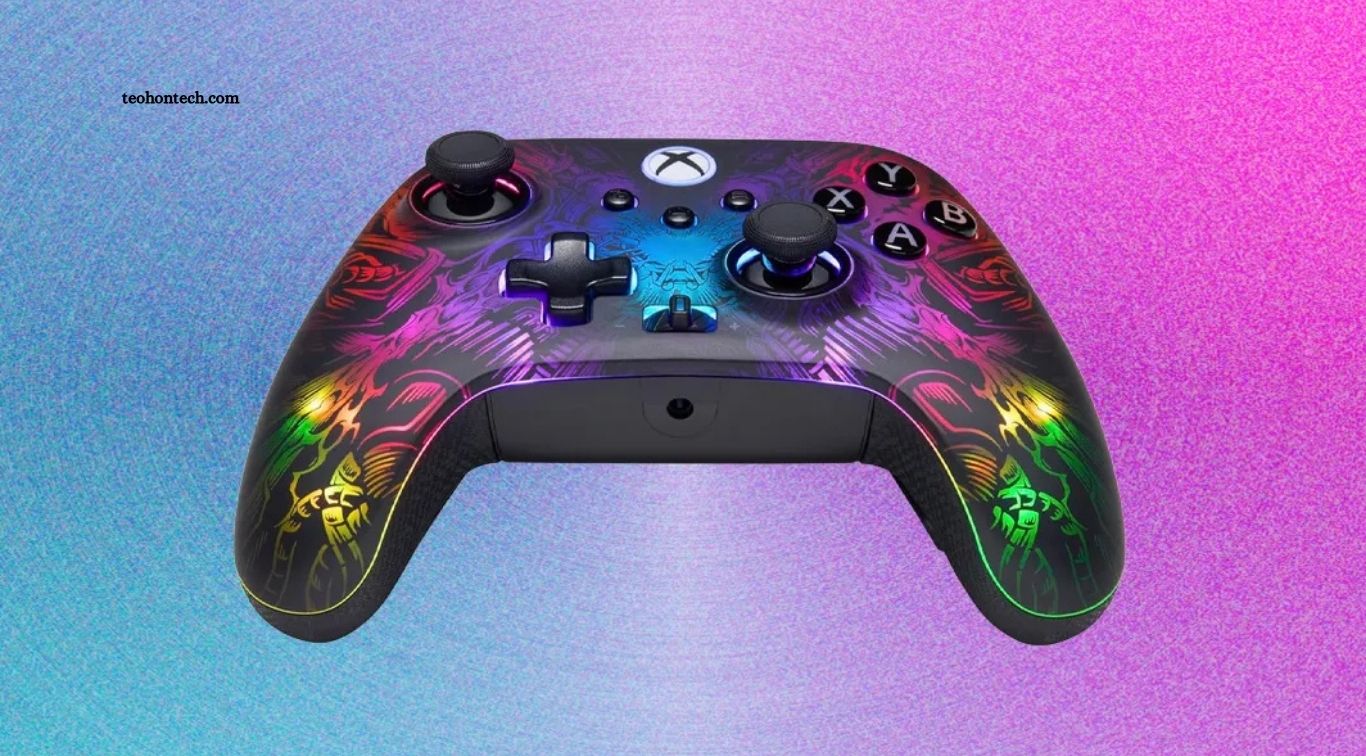
Choosing the right gaming controller can make a significant difference in your gaming experience. A comfortable design helps you play for longer sessions, accurate controls improve your performance, and reliable battery life keeps interruptions to a minimum. Whether you enjoy competitive shooters, racing games, sports simulations, or adventure titles, the right controller should feel natural in your hands and respond consistently to every input.
Gaming controller reviews often focus on price, appearance, and extra features, but comfort, accuracy, and battery life deserve equal attention. Different controllers offer different advantages depending on the platform, game genre, and personal preferences. Understanding these important factors helps you compare available options, avoid unnecessary spending, and choose a controller that delivers dependable performance for everyday gaming.
Read More: The Best Portable SSDs Tested for Speed and Reliability
Why Gaming Controller Reviews Matter
Gaming controller reviews help players understand how a device performs beyond its advertised features. Specifications can reveal connectivity options, supported platforms, battery capacity, and additional controls, but real-world usability depends on how these features work during gameplay. Reviews can help identify problems such as uncomfortable grips, inconsistent button responses, connection interruptions, and controls that require too much force.
Comparing reviews from different sources also helps you understand whether a controller suits your gaming habits. A competitive player may prioritize low input latency and precise analog sticks, while a casual gamer may care more about comfort and affordability. Looking at several important factors instead of relying on one overall rating makes it easier to select a controller that meets your needs.
Comfort and Ergonomic Design
Comfort is one of the most important features to evaluate when choosing a gaming controller. A well-designed controller should fit naturally in your hands, provide a secure grip, and allow you to reach buttons without stretching your fingers unnecessarily. Weight distribution, handle shape, trigger placement, and surface texture can all influence how comfortable a controller feels during extended gaming sessions.
Personal preferences also play a major role in ergonomic design. Players with smaller hands may prefer compact controllers, while others may enjoy larger grips and heavier construction. If possible, test a controller before buying it or read detailed reviews that discuss hand size and long-session comfort. A device that feels comfortable during a short test may still cause fatigue after several hours of play.
Button Accuracy and Responsiveness
Button accuracy affects how reliably a controller translates your actions into in-game movements. Responsive face buttons, dependable triggers, and consistent directional controls can make gameplay feel smoother and more predictable. In competitive games, even small differences in control responsiveness may affect timing, aiming, movement, or the ability to execute complex actions.
When reviewing button performance, look for information about input consistency, button travel, actuation force, and overall build quality. Mechanical or tactile feedback may appeal to some players, while others prefer softer buttons. No single button design suits everyone, so consider the games you play most often. A controller should provide reliable inputs without requiring excessive pressure or causing accidental presses.
Analog Stick Precision and Drift
Analog sticks are essential for controlling movement, aiming, camera direction, and steering in many games. A precise stick should respond smoothly to small movements and return consistently to its neutral position. Good stick control can be especially important in first-person shooters, racing games, sports titles, and platform adventures that require careful movement.
Stick drift occurs when a controller registers movement even though the player is not touching the stick. This problem can interfere with aiming and character movement, making games frustrating to play. When comparing controllers, examine reviews that discuss long-term stick reliability, dead-zone settings, calibration options, and available repair support. Hall-effect or other contactless sensor designs may reduce certain types of wear-related drift, but overall controller quality still matters.
Trigger Performance for Different Game Genres
Triggers are especially important in racing games, shooters, and simulation titles. In racing games, gradual trigger movement can help players control acceleration and braking more precisely. In shooters, comfortable trigger placement and consistent response can make repeated actions easier during long sessions. The ideal trigger design depends on the games you play and the control style you prefer.
Some gaming controllers include adjustable trigger stops or shorter trigger travel for faster inputs. Others provide longer, smoother travel for more gradual control. These features can be useful, but they are not essential for every player. Review how easily the triggers can be operated, whether they produce unwanted noise, and whether their resistance remains comfortable during repeated use.
Battery Life and Charging Options
Battery life determines how long a wireless gaming controller can operate before it needs charging or a battery replacement. A longer-lasting battery is convenient for players who enjoy extended sessions or prefer not to keep charging equipment nearby. However, actual battery performance can vary depending on vibration intensity, lighting, wireless connectivity, audio features, and usage patterns.
Before purchasing a wireless controller, check its stated battery life and look for independent tests when available. Consider whether it uses a built-in rechargeable battery, replaceable batteries, or a separate battery pack. USB charging, charging docks, and the ability to continue playing while connected can also improve convenience. Remember that advertised battery estimates may differ from real-world results, particularly when additional features remain enabled.
Wired vs Wireless Gaming Controllers
Wired controllers connect directly to a gaming device, usually through USB, and do not require an internal battery for normal operation when powered through the cable. They can be convenient for desktop gaming, tournaments, and players who want a straightforward setup. A wired connection also avoids the need to recharge the controller, although cable length and placement may restrict movement.
Wireless controllers provide greater freedom and reduce cable clutter around your gaming area. They may connect through Bluetooth or a dedicated wireless adapter, depending on the model and platform. Connection quality and input latency can vary by controller and setup, so wireless does not automatically mean slower performance. Choose a connection type that matches your gaming environment, preferred seating distance, and performance requirements.
Compatibility With Gaming Platforms
Compatibility should be checked before buying any gaming controller. Some models work with specific consoles, while others support Windows PCs, mobile devices, or multiple platforms. Even when a controller connects successfully, certain features may not function everywhere. Button prompts, vibration, motion controls, headset connections, and customization software can depend on the device and operating system.
Read the manufacturer’s compatibility information carefully and confirm support for the games you intend to play. PC users should check whether their preferred titles recognize the controller automatically or require additional configuration. Mobile gamers should verify operating system support and connection requirements. Choosing a compatible controller from the beginning can save time and help avoid unexpected setup problems.
Build Quality and Long-Term Durability
Build quality affects how well a controller withstands frequent use. Sturdy housing, durable buttons, reliable triggers, and well-fitted analog sticks can contribute to a longer lifespan. Controllers are handled repeatedly, carried between locations, and sometimes exposed to accidental drops, so material quality and assembly deserve attention when comparing products.
Look for reviews that discuss wear after months of use rather than focusing only on first impressions. Check warranty coverage, repair options, replacement parts, and the manufacturer’s customer support. A lower-priced controller may offer excellent value if it performs reliably, while an expensive model is not automatically more durable. Consider the total cost of ownership, including potential repairs or replacement, when evaluating long-term value.
Extra Features Worth Considering
Modern gaming controllers may include programmable buttons, vibration, motion sensors, interchangeable components, audio connections, and companion software. These features can improve convenience or offer additional control options, particularly for players who want to customize their setup. Competitive gamers may appreciate rear paddles for performing actions without moving their thumbs away from the analog sticks.
However, additional features are only worthwhile when they support your gaming needs. RGB lighting and advanced customization may look appealing but can increase the price or affect battery consumption. Before paying extra, decide which features you will use regularly. A comfortable, accurate controller with dependable construction may be a better purchase than a feature-packed model that does not fit your play style.
How to Choose the Best Gaming Controller
Start by identifying your main gaming platform, preferred genres, and budget. Players who focus on competitive games may prioritize precise sticks, responsive buttons, low latency, and programmable controls. Those who enjoy casual or story-driven games may prefer comfortable grips, simple setup, and long battery life. Racing fans should pay particular attention to trigger control and analog input consistency.
Next, compare several controllers using the same criteria. Read independent reviews, check platform compatibility, and consider warranty support before making a decision. If possible, test the controller’s weight, grip, and button placement in person. Avoid choosing solely by brand reputation or feature count. The best gaming controller is the one that offers reliable performance, suits your hands, and supports the games you enjoy most.
Frequently Asked Questions
What matters most when buying a gaming controller?
Comfort, input accuracy, platform compatibility, battery life, and durability are among the most important factors.
Are wired controllers better for competitive gaming?
Wired controllers can offer consistent connectivity, but some wireless models also provide excellent responsiveness. Performance depends on the specific device and setup.
How long should a wireless gaming controller battery last?
Battery life varies by model and usage. Check manufacturer estimates and independent tests before purchasing.
What causes analog stick drift?
Stick drift can result from sensor wear, contamination, calibration issues, or other hardware problems.
Are expensive gaming controllers worth buying?
They can be worthwhile if their extra features, comfort, and build quality meet your needs. Higher prices do not guarantee better performance.
Can one controller work with multiple platforms?
Some controllers support several platforms, but compatibility and available features vary by model. Always check the manufacturer’s specifications.
Conclusion
Choosing the right gaming controller involves more than comparing prices or looking at appearance. Comfort supports longer sessions, accurate inputs improve control, and dependable battery life makes wireless gaming more convenient. Build quality, platform compatibility, connectivity, and useful extra features also influence overall value. Compare independent reviews, consider your preferred game genres, and select a controller that fits your hands and budget. A carefully chosen controller can provide a more comfortable, consistent, and enjoyable gaming experience over time.

1 Comment
Pingback: Which Bluetooth Speakers Offer the Best Sound for the Price? - TeohOnTech