

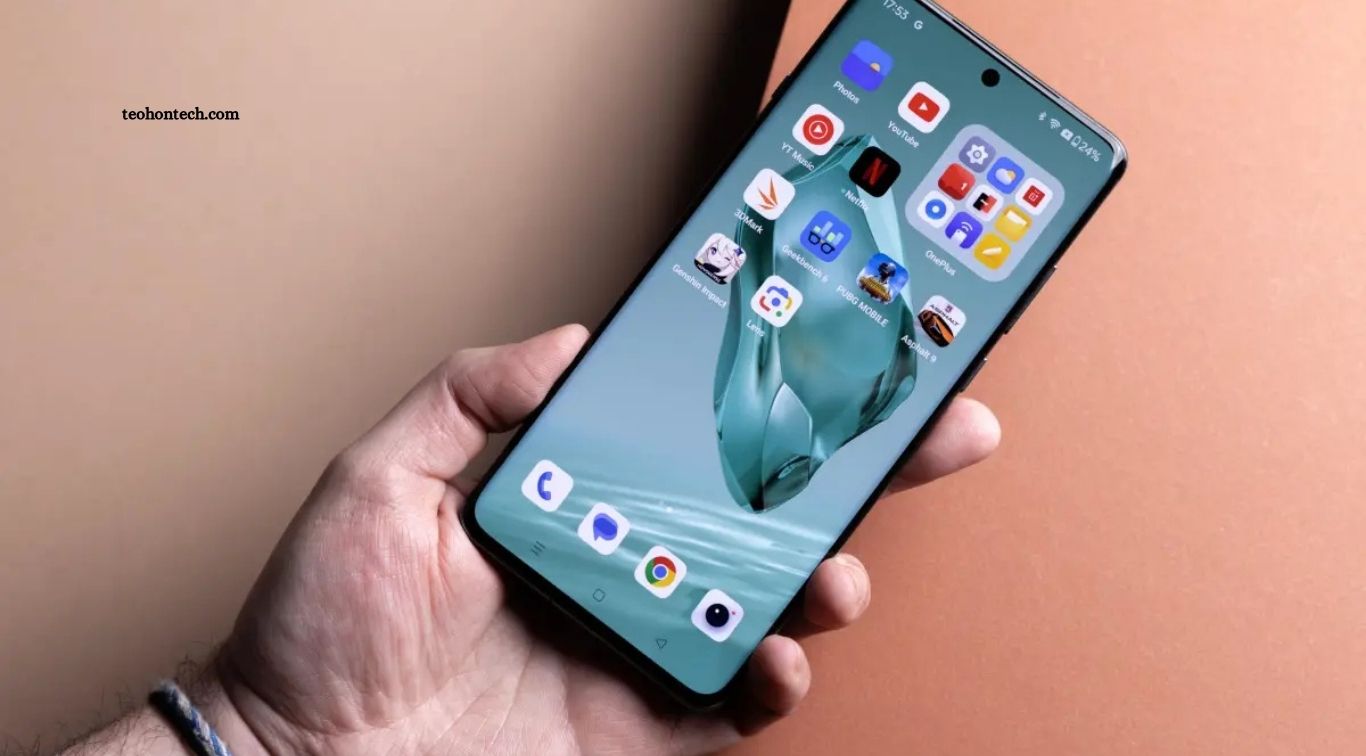
Choosing a smartphone is a long-term investment, especially if you want a device that performs reliably for several years. With so many models available, it can be difficult to decide which phone offers the best combination of performance, battery life, durability, and value. A device that looks impressive in a store may not remain fast, secure, or dependable after years of daily use.
The best long-lasting smartphone is not necessarily the most expensive model. Instead, look for reliable software support, a powerful processor, a durable design, a battery that can be replaced or serviced, and enough storage for future needs. By comparing these features before buying, you can choose a smartphone that remains useful for years without requiring an early replacement.
Read More: Best Tech for a Home Office Without Breaking the Bank
Check the Software Update Policy
Software support is one of the most important factors when choosing a smartphone for long-term use. Operating system updates introduce new features, improve compatibility, and sometimes enhance performance. Security updates help protect your personal information against known vulnerabilities. Without ongoing support, a phone may become less secure and eventually lose compatibility with certain apps and services.
Before purchasing a device, check how many years of operating system and security updates the manufacturer promises. Some manufacturers provide support for considerably longer than others, and policies can vary by model. Read the official policy for the exact phone rather than assuming every device from the same brand receives identical treatment. A smartphone with dependable long-term support can remain practical well beyond its first few years.
Choose a Powerful and Efficient Processor
The processor affects how smoothly your smartphone handles everyday tasks, including messaging, browsing, photography, gaming, and multitasking. A capable processor can help the device remain responsive as apps become more demanding. However, choosing the most powerful chip available is not always necessary if your primary activities involve calls, social media, videos, and basic productivity.
Look for a recent processor with a strong reputation for efficiency and consistent performance. Read independent reviews that test everyday speed, gaming stability, and heat management rather than relying only on benchmark scores. A well-balanced processor can deliver a smoother experience while using battery power efficiently. For long-term ownership, reliable performance and thermal control are often more useful than chasing the highest specifications.
Consider Battery Capacity and Longevity
Battery performance can have a major impact on how long a smartphone remains comfortable to use. Even a powerful device becomes frustrating when it needs frequent charging throughout the day. Compare battery capacity, real-world battery tests, charging speed, and power efficiency before making a decision. A larger battery can help, but software optimization and the processor also influence overall endurance.
Remember that every rechargeable battery gradually loses capacity with use and age. Check whether the manufacturer or authorized service centers offer battery replacement for your chosen model. Good charging habits, avoiding excessive heat, and using reliable charging equipment can help preserve battery health. Choosing a phone with dependable battery performance and accessible servicing can prevent a worn battery from forcing an otherwise useful device into early retirement.
Buy Enough RAM for Future Needs
RAM allows a smartphone to keep apps and tasks available in the background. A device with insufficient memory may reload applications frequently or struggle when several tasks run at once. Although RAM requirements vary between operating systems and usage patterns, choosing a sensible amount can help maintain a smoother experience as apps become more demanding.
Do not judge a phone by RAM capacity alone. Software optimization, processor performance, storage speed, and background app management also affect responsiveness. Read reviews that evaluate the phone during everyday multitasking instead of assuming that the highest RAM figure automatically guarantees better performance. Select a configuration that suits your usage and budget, particularly if you plan to keep the device for four years or longer.
Choose Sufficient Internal Storage
Storage capacity determines how many apps, photos, videos, documents, and offline files your smartphone can hold. A phone with limited storage may become inconvenient as your photo library grows and applications require more space. Keeping storage nearly full can also make file management difficult and leave less room for updates or new downloads.
Consider your current habits and how they might change over the next few years. If you take many photos, record high-resolution videos, download games, or store media offline, choose a larger storage option. Check whether the phone supports expandable storage or offers convenient cloud backup, but do not rely on these features being available on every model. Paying for adequate storage at purchase may be more practical than constantly deleting files later.
Look for a Durable Build and Water Resistance
A smartphone that lasts for years needs a design capable of handling everyday wear. Examine the frame, display protection, back material, and overall construction. Premium materials can feel more refined, but they do not make a phone indestructible. Even durable displays can crack when dropped, so a protective case and suitable screen protector remain sensible investments.
Water and dust resistance can provide additional protection, but the level varies by model. Check the device’s official IP rating and understand what it actually covers. Water resistance may weaken after damage, repairs, or ordinary wear, and it does not mean every type of liquid exposure is safe. Choose a phone with appropriate protection for your lifestyle, and avoid deliberately exposing it to water just to test its rating.
Evaluate Camera Quality for Long-Term Use
A good smartphone camera can help a device remain useful as your photography needs evolve. Instead of comparing megapixel counts alone, review image quality in daylight, low light, portrait mode, and video recording. Image processing, lens quality, stabilization, autofocus, and software features can have a greater effect on real-world results than the camera’s headline resolution.
Consider the types of photos and videos you take most often. If you frequently record family events, travel videos, or social media content, check video stabilization, microphone quality, storage requirements, and front-camera performance. Read independent camera samples before buying. A balanced camera system that performs consistently in different conditions may offer more long-term value than a phone with impressive specifications but unreliable results.
Check Repairability and Spare Parts Availability
Repairability can determine whether a smartphone remains usable after a battery wears out, a charging port fails, or a screen breaks. Some phones are easier and more affordable to repair than others. Before buying, check whether authorized service centers operate in your area and whether replacement batteries, displays, and other common parts are available.
Also compare warranty coverage, repair prices, and the manufacturer’s service process. A low-cost phone can become expensive if essential parts are difficult to find, while a more expensive model may offer better long-term value if it can be maintained affordably. Avoid assuming that every repair will be covered by warranty. Reviewing service options before purchase helps you estimate the total cost of ownership instead of focusing only on the initial price.
Consider Connectivity and Network Compatibility
A smartphone should support the network technologies and wireless features you expect to use over the next several years. Check compatibility with local mobile bands, 4G or 5G services, Wi-Fi standards, Bluetooth accessories, and any other features important to your routine. Network support can vary between regional versions of the same model, so confirm the exact variant before purchasing an imported phone.
Also consider practical features such as dual SIM support, eSIM availability, NFC payments, and reliable GPS performance. Not every buyer needs every feature, but missing an important one can make a phone inconvenient later. If you purchase a device from another country, verify that it supports your carrier and local services. A well-matched phone can remain useful longer because it continues to fit your everyday connectivity needs.
Read Reviews and Compare Total Cost
Product specifications provide a useful starting point, but independent reviews reveal how a smartphone performs in everyday conditions. Look for long-term reviews that discuss battery degradation, software reliability, overheating, camera consistency, and build quality. User feedback can also highlight recurring problems, although isolated complaints should not be treated as proof that every device has the same issue.
Compare the total cost of ownership rather than the purchase price alone. Include the cost of a case, screen protection, repairs, battery replacement, and any storage upgrade you may need. A moderately priced phone with long software support and affordable repairs may offer better value than a cheaper device that needs replacing sooner. Choose a model that meets your essential needs without paying for features you are unlikely to use.
Common Mistakes to Avoid When Buying a Smartphone
One common mistake is choosing a phone based entirely on brand popularity, appearance, or a promotional discount. A stylish design cannot compensate for short software support, poor battery endurance, or limited storage. Another mistake is focusing on a single specification, such as megapixels or RAM, without checking how the complete device performs. Comparing real-world tests and official support policies gives you a clearer picture of long-term value.
Avoid purchasing an unfamiliar regional model without checking warranty coverage, network compatibility, and service availability. It is also unwise to assume that a premium phone will automatically last longer than every midrange alternative. The best choice depends on the manufacturer’s support commitment, hardware quality, repair options, and your personal needs. Take time to compare these factors before spending your money.
Frequently Asked Questions
How many years should a smartphone last?
A well-chosen smartphone can often remain useful for four to six years or longer, depending on support, battery health, and usage.
Which feature matters most for long-term smartphone use?
Long software support is essential, alongside reliable performance, battery longevity, durable construction, and repair availability.
Is more RAM always better?
No. RAM needs depend on software and usage. Balanced performance and optimization matter more than the largest number.
Should I buy a phone with a replaceable battery?
A replaceable battery or accessible battery-replacement service can help extend the phone’s useful life.
How much storage should I choose?
Choose storage based on your apps, photos, videos, and downloads. Heavy users generally benefit from more internal storage.
Are expensive smartphones more durable?
Not always. Durability depends on construction, software support, repairability, and how carefully the device is used.
Conclusion
Picking a smartphone that lasts for years requires looking beyond its design and launch-day specifications. Prioritize long software support, dependable performance, good battery life, adequate storage, durable construction, and affordable repair options. Check network compatibility, read independent reviews, and compare the total cost of ownership before making your final decision. The right smartphone should meet your current needs while leaving enough room for changing habits and future software demands.

1 Comment
Pingback: Best Laptops for Multitasking, Editing, and Everyday Work - TeohOnTech