

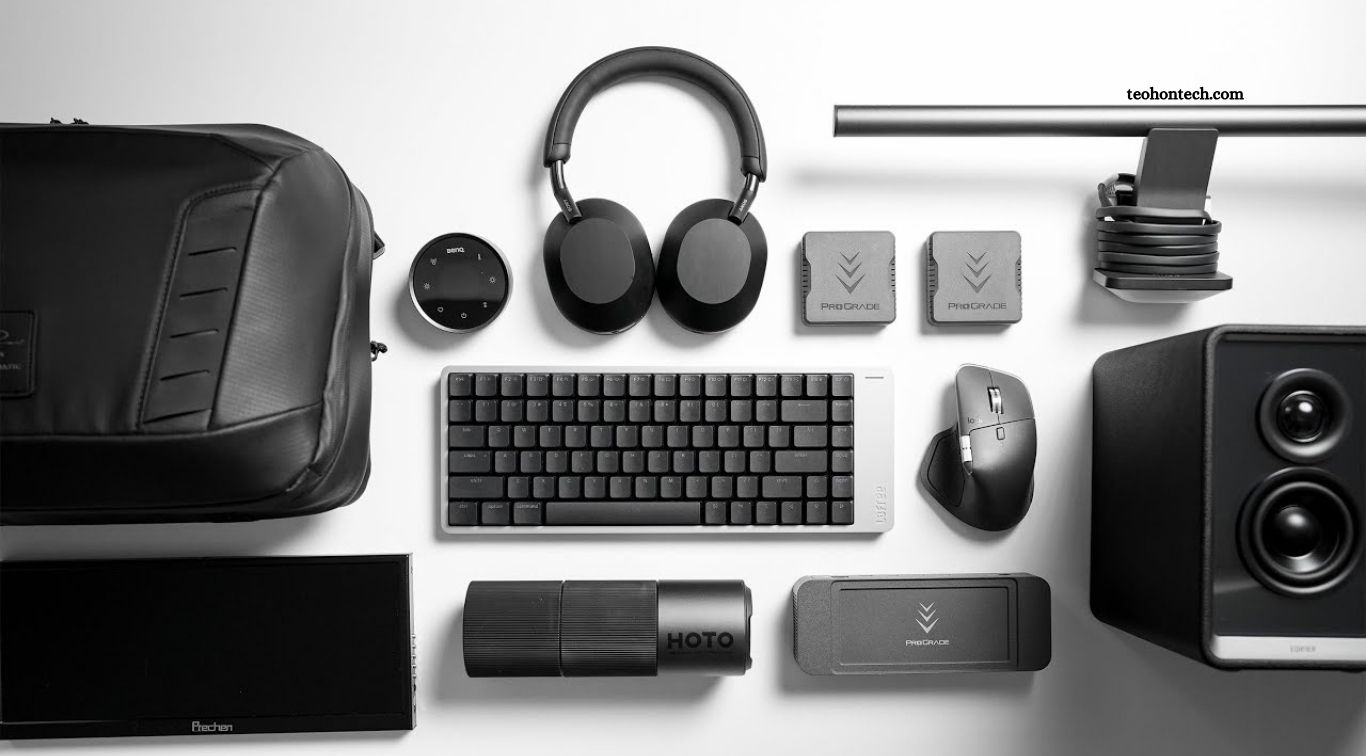
Premium tech products often promise better performance, advanced features, stylish designs, and longer-lasting quality. From flagship smartphones and high-end laptops to wireless headphones and smartwatches, these products attract buyers who want the best available experience. However, premium devices also come with higher price tags, making consumers question whether the extra investment delivers real value. Understanding the differences between premium and budget technology can help buyers make smarter purchasing decisions.
The answer depends on individual needs, usage habits, and budget. Some expensive gadgets provide meaningful improvements that justify their prices, while others offer only minor upgrades over affordable alternatives. Comparing essential features, long-term reliability, software support, and everyday performance can reveal whether a premium product is worth buying or whether a mid-range option makes more financial sense.
What Makes a Tech Product Premium?
Premium tech products typically stand out through their materials, performance, design, and advanced features. Manufacturers may use powerful processors, high-quality displays, durable construction, improved cameras, and sophisticated audio systems. Flagship devices may also include exclusive software features, faster connectivity, enhanced security, and better integration with other products from the same brand.
However, a premium price does not automatically guarantee superior value. Some expensive products charge more because of brand recognition, marketing, or luxury design rather than substantial technical improvements. Buyers should examine specifications, independent reviews, warranty coverage, and real-world performance instead of assuming that the most expensive option is always the best.
Performance Differences Between Premium and Budget Devices
Performance is one of the main reasons consumers choose premium technology. High-end laptops and smartphones often include faster processors, more memory, powerful graphics capabilities, and advanced cooling systems. These improvements can make demanding activities such as video editing, gaming, software development, and multitasking smoother and more efficient.
For everyday tasks, however, budget and mid-range devices may provide nearly identical experiences. Browsing websites, watching videos, attending online meetings, and using social media generally do not require flagship-level hardware. Before paying extra for performance, consider whether your daily activities actually need the additional processing power.
Build Quality and Design
Premium products often feature refined designs and materials such as aluminum, titanium, glass, or carefully engineered plastics. Better construction can improve the overall feel of a device, while features such as water resistance, stronger hinges, and reinforced frames may help it withstand everyday use. A comfortable keyboard, well-designed controls, and a bright display can also improve the user experience.
Nevertheless, affordable technology has improved considerably, and many budget products now offer attractive designs with dependable construction. A higher price does not guarantee that a device will survive every accident or last longer than a cheaper alternative. Buyers should compare durability ratings, repairability, warranty terms, and user feedback before making a decision.
Battery Life and Charging Technology
Battery performance can make a significant difference in everyday convenience. Premium smartphones, laptops, and wireless headphones may offer efficient components, optimized power management, faster charging, or better battery capacity. These improvements can benefit frequent travelers, students, remote workers, and professionals who depend on their devices throughout the day.
However, battery life depends on more than price. Screen brightness, software optimization, network conditions, battery size, and workload all affect how long a device operates between charges. Some affordable products deliver excellent battery life, so checking independent battery tests is often more useful than relying on premium branding alone.
Are Premium Smartphones Worth Buying?
Premium smartphones can be worthwhile for people who need excellent cameras, powerful processors, bright displays, advanced video recording, or long software support. Flagship models may also offer improved zoom photography, better low-light images, higher-quality materials, and specialized features for professional or creative work. Users who keep their phones for several years may benefit from a combination of durability and extended software updates.
For many everyday users, mid-range smartphones provide more than enough performance. They can handle messaging, social media, streaming, photography, navigation, and common productivity tasks without the cost of a flagship device. If you rarely use advanced camera modes or demanding applications, choosing a reliable mid-range phone may offer better value for money.
Premium Laptops vs. Affordable Laptops
Premium laptops often provide faster hardware, higher-resolution displays, better speakers, comfortable keyboards, lightweight designs, and stronger battery performance. These benefits can matter to professionals who spend hours working on their computers. Video editors, designers, programmers, and gamers may also need specialized hardware that entry-level laptops cannot provide efficiently.
For basic tasks such as document editing, web browsing, online learning, and video calls, an affordable laptop may be sufficient. The important factors include processor capability, memory, storage, display quality, and build reliability. Instead of buying the most expensive model, choose a laptop that meets your software requirements and provides enough capacity for future needs.
Premium Audio Products and Headphones
High-end headphones and speakers may offer detailed sound, stronger noise cancellation, better microphones, comfortable materials, and advanced audio customization. These features can improve listening experiences for music enthusiasts, frequent travelers, remote workers, and people who regularly attend virtual meetings. Premium models may also include useful controls and seamless switching between compatible devices.
Still, sound quality is partly subjective, and affordable headphones can perform surprisingly well. Many users may not notice a meaningful difference during casual listening, podcasts, or everyday calls. Before spending more, compare comfort, battery life, microphone quality, noise cancellation, and sound performance. If possible, test the product personally rather than relying entirely on advertising claims.
Long-Term Value and Software Support
One potential advantage of premium technology is longer-lasting usefulness. Some manufacturers provide extended software updates, security patches, replacement parts, and repair services for selected devices. A product that remains secure and performs reliably for several years may offer better overall value than a cheaper alternative that requires early replacement.
However, long-term value varies significantly between brands and product categories. Expensive devices can still develop hardware problems, while affordable products may remain dependable for years. Consider the total cost of ownership, including repairs, accessories, subscriptions, energy use, and resale value. A slightly more expensive product can be a smart investment if it genuinely reduces future costs.
Hidden Costs of Premium Tech Products
The purchase price is not always the full cost of owning premium technology. Some products require expensive accessories, proprietary chargers, paid subscriptions, specialized repairs, or replacement components. A premium smartwatch, for example, may offer advanced health and fitness features, but some functions could depend on a compatible smartphone or subscription service.
Buyers should calculate the total cost before making a purchase. Check whether essential accessories are included, whether repairs are affordable, and whether the device works with existing equipment. Understanding these extra expenses helps prevent unexpected costs and makes it easier to compare premium products with more affordable alternatives.
How to Decide Whether Premium Technology Is Worth It
Start by identifying the features that matter most for your daily activities. If you need professional-level performance, advanced photography, reliable multitasking, or specialized creative tools, spending more may be justified. Compare several products within your budget and focus on measurable improvements rather than marketing language, brand popularity, or features you are unlikely to use.
Next, evaluate durability, software support, warranty coverage, and overall ownership costs. Read trustworthy reviews, compare real-world tests, and consider refurbished premium devices if you want flagship features at a lower price. The best purchase is not necessarily the cheapest or most expensive option; it is the product that delivers the right balance of performance, reliability, and affordability.
Frequently Asked Questions
Are premium tech products always better?
No. Premium products may offer better features, but affordable alternatives can provide excellent performance and value.
Are flagship smartphones worth the price?
They can be worthwhile for advanced photography, demanding applications, and extended software support. Everyday users may prefer mid-range models.
Do expensive gadgets last longer?
Not necessarily. Durability depends on construction, usage, maintenance, repairability, and manufacturer support.
Should students buy premium laptops?
Only when their studies require powerful hardware. Many students can complete everyday academic tasks with affordable laptops.
Are premium headphones better than budget headphones?
Premium headphones may offer stronger noise cancellation and refined sound, but affordable models can satisfy many listeners.
How can I get premium technology for less?
Compare sales, consider older flagship models or certified refurbished products, and prioritize essential features over brand prestige.
Conclusion
Premium tech products can be worth the extra money when their advanced features solve real problems or noticeably improve everyday experiences. Better performance, quality displays, sophisticated cameras, durable construction, and extended software support can justify a higher price for certain users. However, these advantages are not equally valuable to everyone. Budget and mid-range devices often deliver excellent performance for common tasks without unnecessary expenses.

2 Comments
Pingback: Google Pixel vs Samsung Galaxy: Which Phone Takes Better Photos? - TeohOnTech
Pingback: Best Power Banks in India 2026: Top Picks Compared