

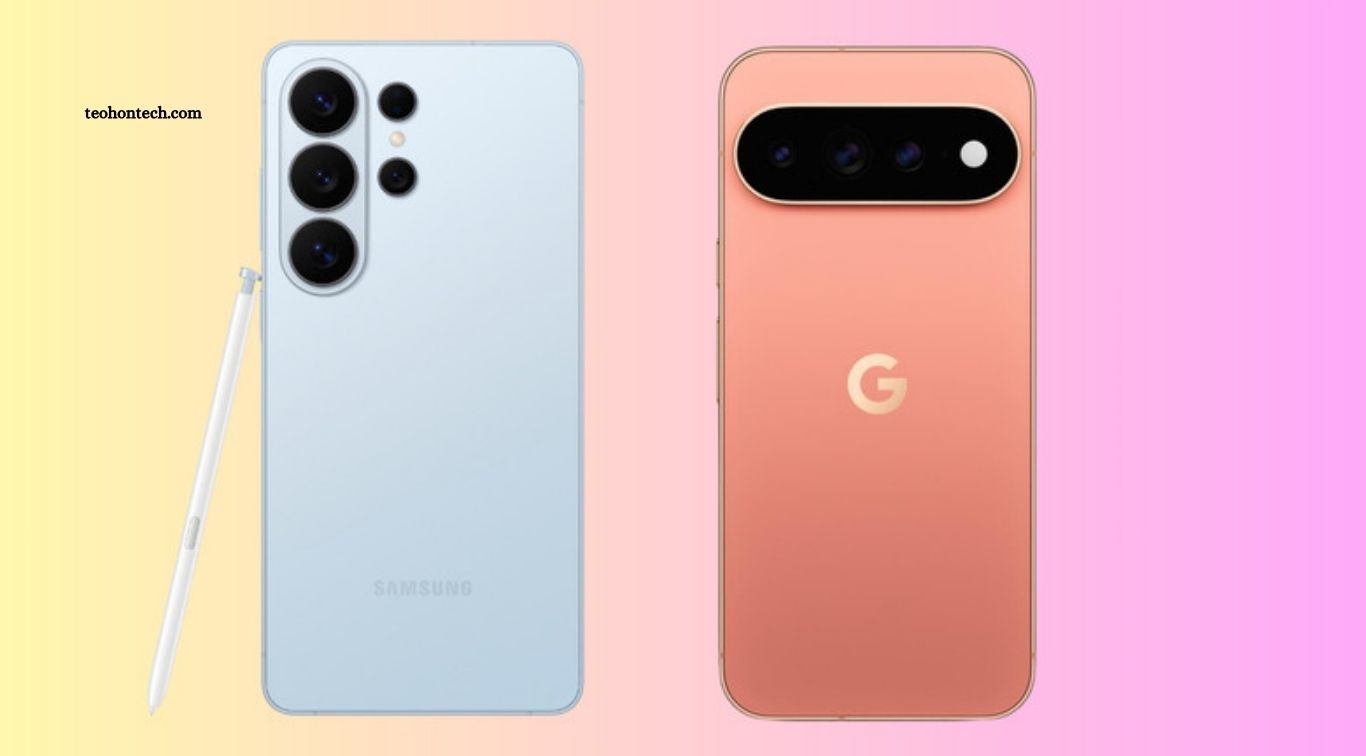
Choosing between Google Pixel and Samsung Galaxy smartphones can be challenging for anyone who values photography. Both brands offer advanced camera systems, powerful image processing, and features designed to capture impressive photos in different conditions. Google Pixel phones are widely recognized for natural-looking images and intelligent computational photography, while Samsung Galaxy flagship devices are known for vibrant colors, versatile zoom options, and detailed results.
The better camera depends on your photography style, budget, and preferred features. Some users prioritize realistic skin tones and dependable night photography, while others want high-resolution images, powerful zoom, and eye-catching colors. Comparing photo quality, portrait mode, low-light performance, video recording, and camera software can help you decide which smartphone suits your needs.
Read More: Are Premium Tech Products Worth the Extra Money?
Google Pixel vs Samsung Galaxy: Camera Technology
Google Pixel smartphones rely heavily on computational photography, using software and artificial intelligence to process images captured by their camera sensors. Google’s approach focuses on balancing exposure, improving shadows, preserving highlights, and producing natural-looking details. Features such as Night Sight, Real Tone, and advanced HDR processing help Pixel devices capture attractive images across different lighting conditions.
Samsung Galaxy flagship smartphones combine capable camera hardware with sophisticated image processing. Depending on the model, they may offer high-resolution main cameras, ultrawide lenses, dedicated telephoto cameras, and powerful digital zoom. Samsung often emphasizes vivid colors, strong contrast, and flexible shooting options, giving photographers more ways to capture landscapes, portraits, architecture, and distant subjects.
Photo Quality and Color Accuracy
Google Pixel phones are often a strong choice for people who prefer realistic colors and balanced exposure. Their image processing aims to preserve details in bright and dark areas while maintaining natural-looking skin tones. This approach works especially well for everyday photography, family pictures, street scenes, and spontaneous moments where users want attractive results without extensive editing.
Samsung Galaxy phones frequently produce images with vibrant colors and noticeable contrast, making photos look striking on smartphone displays and social media platforms. Depending on the model and settings, this style can make landscapes, flowers, and colorful buildings appear especially appealing. However, preferences differ, and users who prioritize accurate colors may prefer Google’s rendering in certain situations.
Low-Light and Night Photography
Google Pixel smartphones have built a strong reputation for low-light photography through features such as Night Sight. Computational processing combines information from image captures to brighten dark scenes, reduce visible noise, and recover useful details. This can help when photographing city streets, indoor gatherings, or evening scenes without using a separate camera or additional lighting.
Samsung Galaxy flagship devices also provide dedicated night photography capabilities and advanced sensor processing. They can capture detailed nighttime images, particularly when the scene includes available light from buildings, signs, or streetlights. Results depend on the specific model, movement, exposure time, and lighting conditions, so comparing the same scene using both phones is the best way to identify a winner.
Portrait Photography and Skin Tones
Portrait photography requires more than a sharp camera. Good results depend on skin-tone accuracy, background separation, facial detail, and natural-looking lighting. Google Pixel devices often perform well in these areas through computational processing and features designed to represent different skin tones accurately. Their portrait tools can produce appealing photos of people without requiring extensive manual adjustments.
Samsung Galaxy phones also offer portrait modes, background blur, and additional creative effects on supported models. Their processing may produce brighter faces, stronger contrast, or a more polished appearance, depending on the settings used. If you regularly photograph friends, family members, or clients, compare facial details and skin tones in both bright daylight and indoor lighting before choosing a phone.
Zoom Photography: Which Brand Performs Better?
Samsung Galaxy flagship phones often have an advantage for long-distance photography when they include dedicated telephoto cameras with substantial optical zoom. These cameras help users photograph distant buildings, wildlife, sports, and stage performances while retaining more detail than a typical digital crop. The exact advantage depends on which Galaxy model you compare and how much optical zoom its hardware provides.
Google Pixel phones also offer useful zoom capabilities, with certain models combining telephoto hardware and computational processing to improve distant shots. However, not every Pixel model includes a dedicated telephoto camera, so zoom performance varies significantly across the lineup. If photographing distant subjects is a priority, compare optical zoom levels, image sharpness, and detail retention instead of relying only on advertised digital zoom numbers.
Video Recording and Stabilization
Samsung Galaxy flagship smartphones generally provide a broad range of video options, with supported models offering high-resolution recording, multiple frame rates, and flexible camera switching. Their video capabilities can appeal to content creators who film travel footage, product demonstrations, concerts, or social media clips. Video quality still depends on lighting, stabilization, lens selection, and the specific device.
Google Pixel phones offer strong video processing and stabilization features on supported models, helping users record everyday moments with consistent exposure and manageable camera movement. They can be suitable for family videos, travel content, and casual filmmaking. If video is important to your work, compare autofocus performance, microphone quality, stabilization, low-light recording, and the maximum resolution available on the exact phones you are considering.
Camera Features and Editing Tools
Google Pixel smartphones include camera features designed to simplify photography and editing. Depending on the model, these may include Night Sight, astrophotography, Real Tone, Best Take, and Magic Editor tools. These features can help users improve images, select better expressions, adjust compositions, or make certain edits directly on the phone without needing advanced photography skills.
Samsung Galaxy smartphones offer their own collection of shooting modes and editing features, with availability varying by model and software version. Supported devices may provide Expert RAW, manual camera controls, advanced portrait effects, and AI-assisted editing tools. These options can appeal to users who want greater creative control or enjoy adjusting their photographs after capturing them.
Battery Life and Everyday Camera Experience
A good smartphone camera should be convenient to use throughout the day. Camera applications, image processing, video recording, and screen brightness can all affect battery consumption. Google Pixel and Samsung Galaxy battery performance varies by device size, processor, battery capacity, software, and usage patterns, so neither brand automatically wins in every situation.
The overall camera experience also includes shutter response, autofocus speed, how quickly the camera opens, and how easily you can switch between lenses. Pixel phones can appeal to users who want straightforward point-and-shoot photography, while Galaxy phones may attract users who prefer a wider range of shooting options. Testing these everyday features can be just as important as comparing individual photos.
Google Pixel vs Samsung Galaxy: Which Should You Buy?
Google Pixel is worth considering if you prefer natural-looking photographs, reliable computational photography, realistic skin tones, and easy-to-use camera software. It can be an excellent option for everyday snapshots, portraits, and night photography, especially for people who want attractive results without adjusting many settings. However, camera capabilities differ between Pixel models, so check the specifications before purchasing.
Samsung Galaxy is worth considering if you value versatile camera hardware, powerful telephoto zoom, vibrant images, and a broad selection of photography tools. Certain flagship models are especially useful for travel photography, distant subjects, and creative video recording. Your final decision should consider the exact model, price, battery life, software support, and other features you use regularly rather than choosing a brand based on reputation alone.
Frequently Asked Questions
Is Google Pixel better than Samsung Galaxy for photography?
Pixel often excels at natural-looking images, while Samsung Galaxy flagships offer versatile camera hardware and strong zoom capabilities.
Which phone takes better night photos?
Both can perform well. Results depend on the specific models, available lighting, and night photography processing.
Is Samsung Galaxy better for zoom photography?
Some Galaxy flagship models offer powerful optical zoom through dedicated telephoto cameras, giving them an advantage for distant subjects.
Which phone is better for portraits?
Both produce excellent portraits. Pixel often emphasizes natural skin tones, while Samsung offers varied portrait effects and processing styles.
Which phone records better videos?
Both brands offer capable video recording. Compare stabilization, autofocus, resolution, and low-light performance on the specific models.
Should I buy a Pixel or Samsung Galaxy for social media?
Choose Pixel for natural-looking photos or Samsung for vibrant results and flexible zoom options. Your preferred style matters most.
Conclusion
Google Pixel and Samsung Galaxy smartphones both offer impressive photography experiences, but they approach image processing differently. Pixel devices often appeal to users who prefer balanced exposure, natural-looking colors, and convenient computational photography. Samsung Galaxy flagship phones can be attractive to photographers who want versatile zoom hardware, vibrant images, and extensive camera controls. There is no universal winner because camera performance changes across models and shooting conditions. Before buying, compare photographs taken in daylight, at night, indoors, and at different zoom levels.

1 Comment
Pingback: 5G Smartphones Under Rs 15,000 in India (2026)