

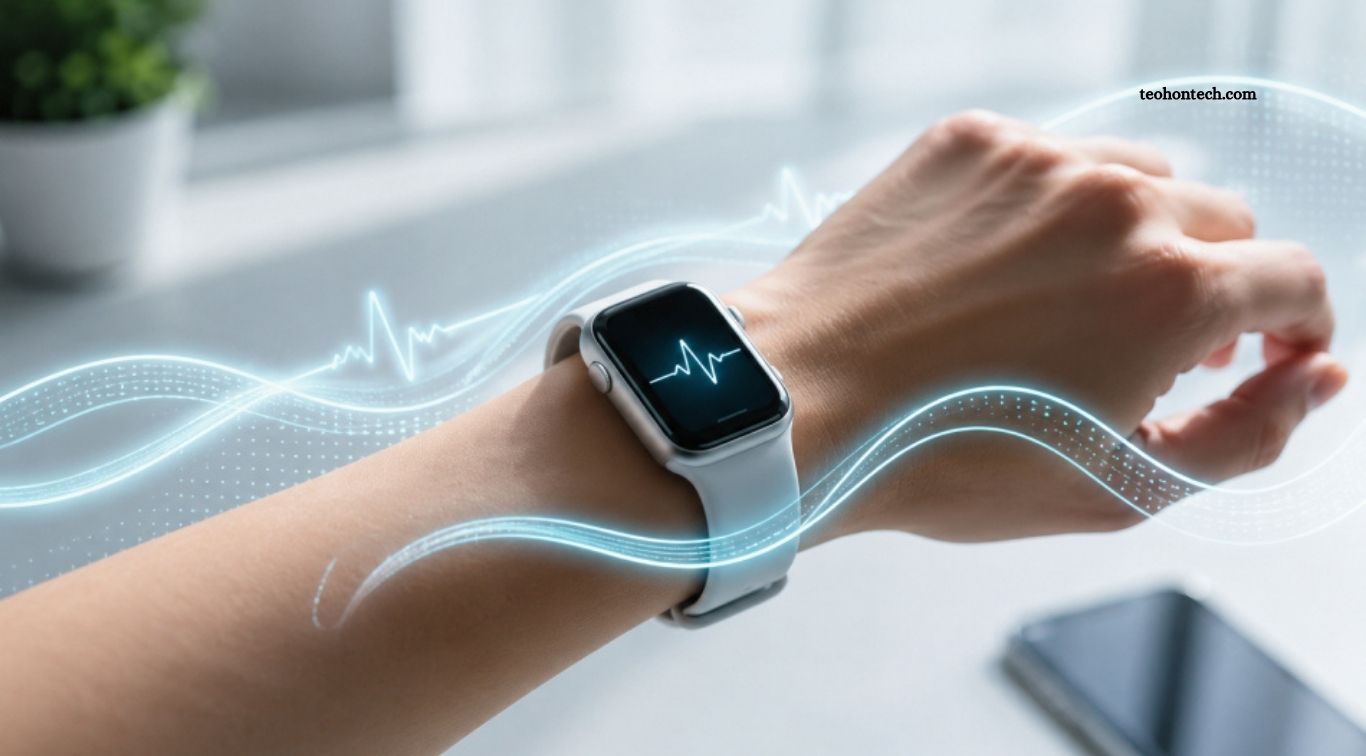
Smartwatches have become popular tools for monitoring daily activity, sleep patterns, heart rate, and other health-related measurements. Modern devices offer features such as step counting, blood oxygen monitoring, stress tracking, and workout analysis. These tools can help users understand their habits and make informed lifestyle choices, but their accuracy varies depending on the sensor, device design, activity, and individual user.
Although smartwatch health tracking has improved significantly, not every measurement is equally reliable. Heart rate readings during steady exercise may be reasonably accurate, while calorie estimates, sleep stages, and blood oxygen measurements can sometimes differ from clinical equipment. Understanding what smartwatches can measure well—and where they have limitations—helps users interpret their health data without relying on it blindly.
Read More: What Our Laptop Performance Tests Reveal About Everyday Use
How Accurate Are Smartwatches Overall?
Smartwatch accuracy depends on the feature being measured. Optical heart rate sensors can provide useful readings during rest and many forms of exercise, while step counters generally offer a reasonable estimate of daily movement. However, accuracy may decrease during activities involving frequent wrist movement, changes in intensity, or poor sensor contact with the skin.
Different smartwatch brands also use different sensors, algorithms, and software updates, so results can vary between models. A device that performs well during walking may be less reliable during weightlifting or high-intensity interval training. For this reason, smartwatch readings are best viewed as estimates that help identify patterns rather than perfect measurements of every bodily function.
Heart Rate Tracking: One of the More Reliable Features
Heart rate monitoring is one of the most useful smartwatch health features. Most devices use optical sensors that shine light into the skin and measure changes in blood flow to estimate heart rate. During rest, walking, and steady aerobic exercise, many modern smartwatches can produce readings that closely follow those obtained from more specialized monitoring equipment.
Accuracy can decline during activities that involve rapid wrist movement, heavy gripping, or sudden changes in heart rate. Loose straps, cold skin, sweat, tattoos, and poor sensor positioning may also affect readings. Users who need more consistent measurements during intense exercise can compare their watch with a chest-strap monitor. Anyone experiencing concerning symptoms should seek medical advice rather than depending solely on a smartwatch reading.
Step Counting and Daily Activity Monitoring
Step counting is a common smartwatch feature that helps users understand their daily movement. Motion sensors detect wrist movements and use algorithms to estimate the number of steps taken. During ordinary walking, many devices provide useful estimates that make it easier to set activity goals, compare routines, and monitor changes over time.
However, step counts may become less accurate when users push shopping carts, carry objects, walk with limited arm movement, or perform repetitive hand movements. Some devices may also interpret certain movements as steps. Rather than treating the final number as an exact count, users should focus on consistent tracking and long-term activity patterns. Wearing the watch correctly and using the same device regularly can improve the usefulness of comparisons.
Sleep Tracking: Can Smartwatches Measure Sleep Correctly?
Smartwatches estimate sleep by combining movement data with signals such as heart rate and heart rate variability. These measurements help devices identify likely periods of sleep and wakefulness. Many watches provide useful estimates of total sleep duration, making them convenient tools for people who want to understand their schedules and maintain more consistent sleeping habits.
Sleep-stage tracking is generally less dependable than measuring overall sleep duration. A watch may classify periods of light sleep, deep sleep, or REM sleep differently from a clinical sleep study, which uses additional measurements such as brain activity. Users should avoid worrying about small nightly changes in sleep-stage percentages. If persistent sleep problems, severe daytime tiredness, or symptoms of a sleep disorder occur, a healthcare professional can recommend appropriate evaluation.
Calorie Burn Estimates: Why Numbers Can Be Misleading
Smartwatches often estimate calories burned by combining heart rate, movement, exercise duration, and personal information such as age, weight, and height. These calculations can help users compare workouts and understand general activity levels. However, the result is an estimate produced by an algorithm, not a direct measurement of the body’s energy expenditure.
Calorie estimates can vary substantially depending on the exercise type, fitness level, sensor quality, and individual metabolism. Two people performing the same workout may burn different amounts of energy, even if their watches report similar figures. Users should therefore avoid treating smartwatch calorie counts as exact values when planning meals or making weight-management decisions. Consistent activity habits and broader health guidance are more useful than relying on a single daily calorie number.
Blood Oxygen and Other Health Measurements
Some smartwatches estimate blood oxygen saturation, commonly called SpO2, using optical sensors that analyze how light interacts with blood beneath the skin. Depending on the model and conditions, these readings may provide general information about oxygen levels. However, accuracy can be affected by movement, poor circulation, skin temperature, device fit, and other factors.
Other features, including stress estimates, skin temperature trends, and electrocardiogram recordings, have different capabilities and limitations. An ECG feature available on certain watches may help identify possible irregular heart rhythms, but it does not detect every heart condition. Availability and intended use also differ by model and region. Smartwatch readings should not replace appropriate medical tests, and an apparently normal result does not rule out a health problem.
Factors That Affect Smartwatch Accuracy
Several factors influence the reliability of smartwatch measurements. A loose or poorly positioned watch can prevent its sensors from collecting consistent signals. Excessive movement, sweat, cold weather, skin characteristics, and the type of activity being performed may also affect results. Even a high-quality device can produce inaccurate readings when worn incorrectly or used outside the conditions for which its tracking algorithms were designed.
Software and hardware differences matter as well. Manufacturers may update their algorithms to improve measurements, while different models can use different sensors and processing methods. To improve results, wear the watch according to its instructions, keep the sensors clean, install relevant updates, and enter accurate personal information. Compare trends over time rather than assuming that every reading represents an exact measurement of your health.
How to Improve Your Smartwatch Health Tracking
Start by wearing your smartwatch snugly without making it uncomfortable. During exercise, position it according to the manufacturer’s guidance, keep the sensor area clean, and ensure the device is not sliding around your wrist. Enter your age, height, weight, and other requested information accurately, since some tracking features use these details to estimate activity and energy expenditure.
Next, focus on consistent measurements instead of chasing perfect numbers. Use the same device when comparing daily steps, resting heart rate, or sleep duration, and consider how changes in routine may affect the results. Check unusual readings by repeating the measurement when appropriate, but do not ignore symptoms because the watch reports normal values. For medical concerns, use validated equipment and seek professional guidance.
Can You Trust Smartwatch Data for Medical Decisions?
Smartwatches can support general wellness by helping users notice activity patterns, track exercise, and observe changes in selected measurements. Some models also offer specific health functions that have received regulatory clearance or authorization in certain regions. However, approval applies to particular features and intended uses, not every measurement or health insight displayed by the device.
A smartwatch should not be treated as a complete medical diagnostic system. It may miss a condition, produce a false alert, or report a misleading value. If a device repeatedly flags an unusual result, discuss it with a healthcare professional rather than attempting to diagnose yourself. Seek urgent medical attention for serious symptoms such as chest pain, severe breathing difficulty, or fainting, regardless of what your watch reports.
Frequently Asked Questions
Are smartwatches accurate for heart rate monitoring?
Many modern watches provide useful heart rate estimates, particularly at rest and during steady exercise.
Can a smartwatch accurately measure blood pressure?
Most smartwatches do not directly measure blood pressure. Only use a device specifically validated for that purpose and follow its instructions.
Are smartwatch sleep stages reliable?
Sleep duration estimates can be useful, but individual sleep-stage readings may differ from clinical measurements.
Can smartwatch calorie counts be trusted?
They provide estimates, not exact calorie measurements, and can vary considerably between people and activities.
Can smartwatches detect heart problems?
Some models can identify possible irregular rhythms, but they cannot detect every heart condition or replace medical evaluation.
Should I visit a doctor if my smartwatch shows an unusual reading?
If the reading persists or concerns you, consult a healthcare professional. Seek urgent care for serious symptoms.
Conclusion
Smartwatch health tracking can be valuable for monitoring activity, observing heart rate trends, and building healthier routines. However, accuracy differs across features, and measurements such as calorie expenditure, sleep stages, and blood oxygen levels have important limitations. Users should treat smartwatch data as helpful guidance rather than definitive medical evidence. Wearing the device correctly, comparing trends over time, and understanding its capabilities can make tracking more useful.

1 Comment
Pingback: Is a 4K Monitor Worth It for Work, Gaming, and Streaming? - TeohOnTech